

Leadership charter
Make reliability the standard.
The charter turns NFR from an idea into a shared operating standard. It clarifies what professional reliability means in practice: clear commitments, early escalation, visible execution, and respect for time.
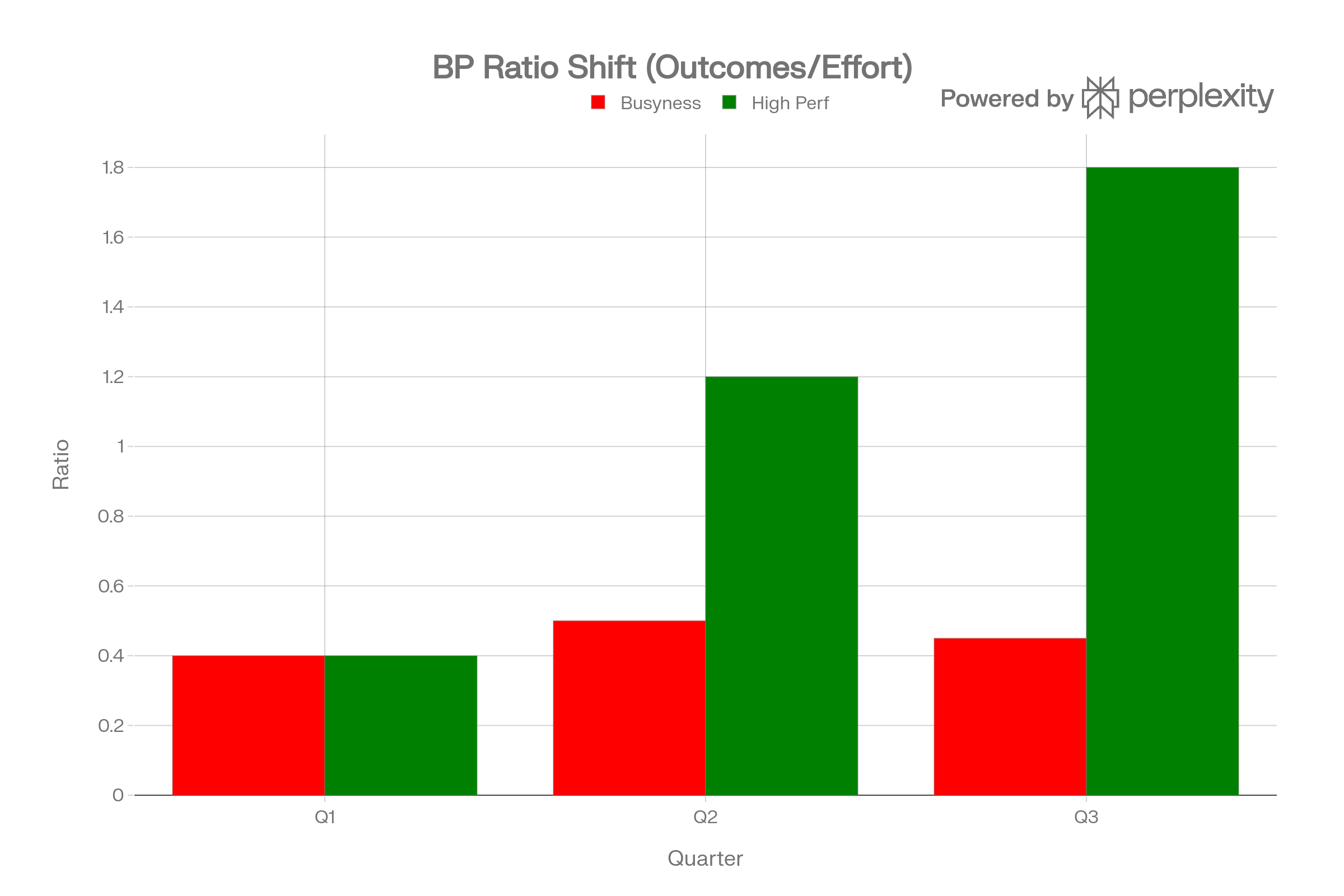
Charter visual
The standard should improve the result-to-effort ratio.
A charter matters because organizations can easily start rewarding visible busyness, rapid responses, and checking behavior while drifting away from trust, pace, and dependable outcomes.
Purpose
Why the charter exists
To establish a professional operating culture in which commitments are honored proactively, communication is transparent, accountability is embedded at every level, and routine follow-up is reduced through better management discipline.
Culture statement
"In our organization, a commitment made is a commitment honored. Leaders and teams operate with such clarity, ownership, and integrity that no follow-ups are required."
NFR culture statementGuiding principles
What the standard requires
Ownership is complete: commitments are carried through to closure instead of handed back through reminders.
Updates move early, not after reminders.
Expectations, timelines, and responsibilities are explicit.
Respect for time is shown through dependable delivery.
Breakdowns trigger redesign instead of normalization.
Leader commitments
What leaders must model
Define clear outcomes, timing, and completion conditions.
Model reliability through visible personal discipline.
Provide the clarity, resources, and support needed for dependable delivery.
Make early escalation safe, expected, and useful.
Recognize proactive reliability, not just heroic recovery.
Department commitments
What teams and functions must sustain
Close commitments without external chasing.
Keep dashboards or trackers current and visible.
Hold accountability inside the team before exporting the burden upward.
Escalate risk early rather than waiting for deadlines to fail.
Serve other functions through clear agreements and dependable execution.
Why standards matter
A charter protects the organization from effort theatre.
Without a clear standard, teams can become deeply committed to responsiveness, volume, and checking behavior while still neglecting actual results. The charter keeps attention on reliable delivery, calm execution, and shared trust.
Activity should serve outcomes, not replace them.
Leaders should not export ambiguity to their teams and then manage the fallout through reminders.
Better standards reduce wasted effort while strengthening trust and speed together.

Accountability practices
How the charter becomes visible in day-to-day work
One source of truth
Use shared dashboards, boards, or trackers
Visible truth reduces status-chasing and builds confidence that the work is moving before anyone asks.
Review rhythm
Check near-term commitments weekly
Use a defined review cadence so the team sees risk while options still exist.
Escalation rule
Surface deadline risk at least 48 hours early
Escalation is valuable only while there is still enough runway to respond intelligently.
Suggested flow
Translate the redesign into a standard other people can trust.
The charter stabilizes the behavior. After that, the levels page helps reviewers test whether the change is truly visible in live work.